
Cultural perspectives on gambling How traditions shape play and risk
Understanding Cultural Influences on Gambling
Gambling is a universal activity that transcends borders and cultures, yet its meaning and significance vary significantly around the world. In many societies, gambling is intertwined with cultural traditions, rituals, and social gatherings. For instance, in some Asian cultures, games of chance often accompany festivals, where it symbolizes prosperity and community bonding. These cultural nuances shape not only the types of games played but also the attitudes towards risk and loss, creating a unique gambling landscape in each region. If you want to enhance your odds, you might consider how websites like don bet can provide insights into effective strategies.

Cultural influences also dictate the social acceptance of gambling. In societies where gambling is celebrated and integrated into cultural practices, individuals may feel more at ease participating in various forms of gambling. This acceptance can lead to a higher prevalence of gambling activities, fostering environments where individuals engage with risks more freely. Conversely, in cultures that stigmatize gambling, individuals may approach these activities with caution or guilt, which in turn influences their gambling behaviors and choices.
Moreover, the historical context surrounding gambling in different cultures provides further insight into its evolution and significance. For instance, Native American tribes have historically used games of chance not only for entertainment but also as a means of community engagement and spiritual practice. Understanding these cultural perspectives is essential for a deeper appreciation of how traditions shape play and risk, ultimately impacting individuals’ experiences with gambling.
The Role of Tradition in Gambling Practices
Tradition plays a critical role in determining the types of gambling activities that flourish within a culture. Many societies have developed unique games that have been passed down through generations. For example, in Italy, the game of Scopone has been a popular pastime for decades, often played during family gatherings and holidays. These games serve as a bridge connecting family members and friends, enhancing social cohesion while fostering a friendly competitive spirit.
Additionally, traditions surrounding gambling often come with specific rituals and practices that add depth to the experience. In some cultures, players may engage in specific gestures or sayings to invoke luck or ward off bad fortune. This attachment to rituals illustrates how deeply ingrained gambling is in cultural identity and collective memory. As a result, the act of gambling becomes more than just a game; it transforms into a shared experience that resonates with cultural heritage.
Furthermore, traditional values shape individuals’ perceptions of winning and losing. In many cultures, the act of playing is often valued over the outcome, encouraging players to focus on the social aspects rather than merely the financial stakes. This perspective allows individuals to engage in gambling activities without the overwhelming pressure of financial loss, ultimately enhancing their enjoyment and connection to the game.
Risk Perception and Cultural Attitudes Towards Gambling
The perception of risk in gambling is significantly influenced by cultural beliefs and values. In societies where gambling is deemed a form of entertainment, individuals may exhibit a more relaxed attitude towards the risks involved. Conversely, in cultures that regard gambling as morally ambiguous or risky, individuals may approach it with trepidation, leading to more conservative gambling behaviors. This variance in risk perception affects how individuals engage with games, ultimately shaping the gambling landscape within their culture.
Cultural attitudes towards gambling also influence how players cope with losses and wins. In cultures that embrace a communal approach, losses can be shared experiences, where players find solace in camaraderie and support. In contrast, in individualistic societies, the weight of loss may feel more isolating, leading to potential negative consequences for players. Understanding these dynamics can provide valuable insights into how people from different backgrounds navigate their gambling experiences.
Moreover, cultural narratives surrounding luck and fate further complicate risk perception in gambling. In some cultures, luck is seen as a spiritual force, while in others, it is viewed as a purely random occurrence. These beliefs inform how individuals interpret their successes and failures at the gambling table, influencing their future decisions and gambling behaviors. Recognizing these differing perspectives can help foster a more nuanced understanding of global gambling practices.
Modern Influences on Cultural Gambling Practices
The advent of technology has brought about significant changes in gambling practices worldwide, reshaping traditional games and introducing new forms of play. Online gambling platforms have created opportunities for individuals to engage with their cultural games in a modern context, allowing for broader participation across geographical boundaries. This accessibility can lead to the evolution of traditional games, as they adapt to fit the digital landscape, merging cultural heritage with modern entertainment.
Furthermore, as global connectivity increases, cultural exchanges are becoming more common. Individuals are now exposed to diverse gambling practices from around the world, leading to the blending of traditions. For example, traditional card games from one culture may be introduced to another, enriching the gambling landscape. This cultural fusion not only revitalizes classic games but also encourages a deeper understanding and appreciation of different gambling customs.
However, the modern landscape also presents challenges. As traditional gambling practices adapt to contemporary standards, there is a risk of losing the essence of cultural significance. Striking a balance between modernization and cultural preservation is crucial to ensure that future generations can appreciate the rich history and traditions surrounding gambling. By navigating these changes thoughtfully, communities can uphold their cultural identity while embracing new opportunities for play.
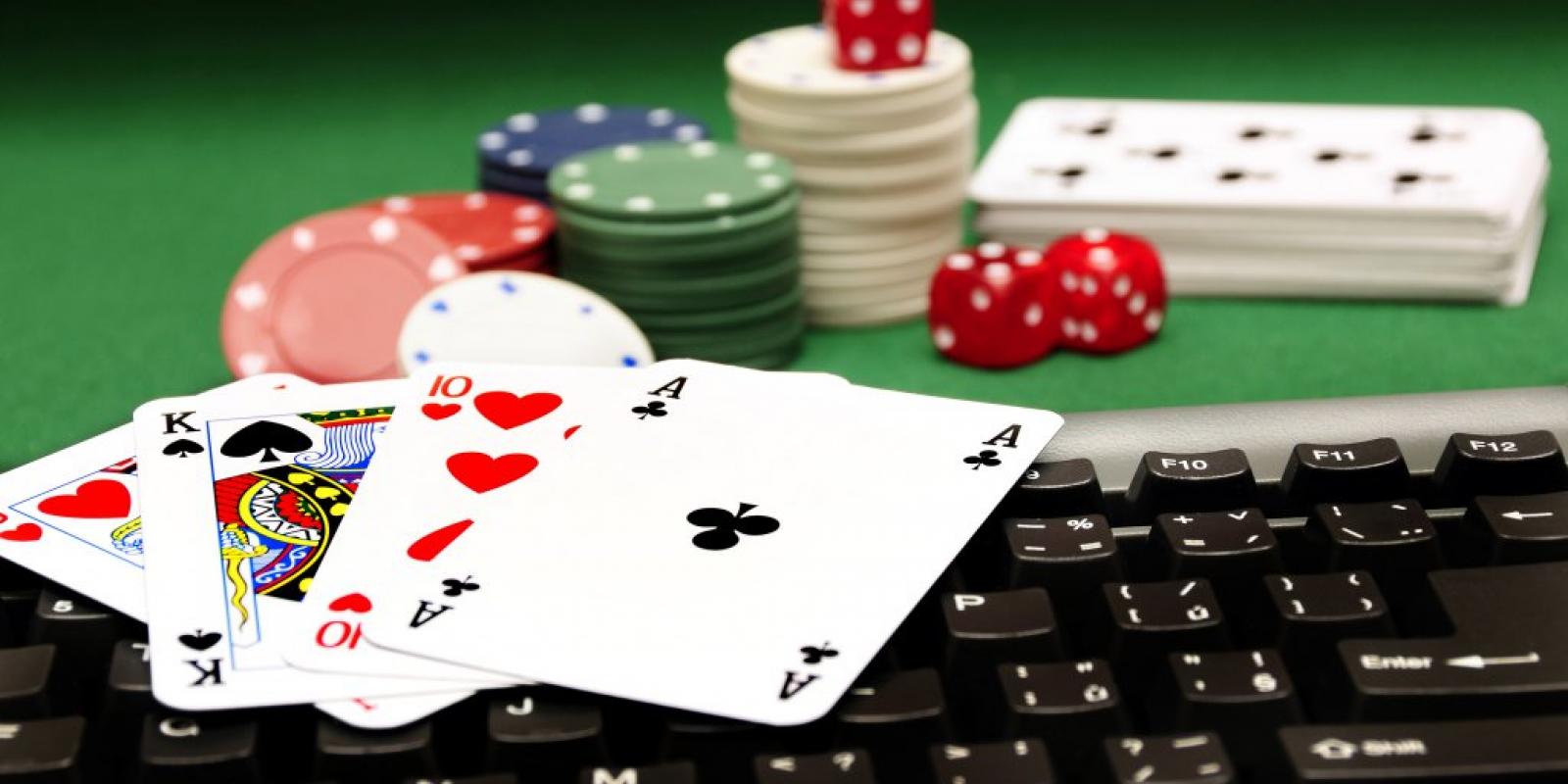
Exploring Donbet Casino’s Cultural Gaming Offerings
Donbet Casino UK provides a comprehensive platform that caters to a variety of gambling preferences, combining both traditional and modern gaming experiences. With an extensive selection of over 6,000 games, including slots and live casino options, players can immerse themselves in diverse gaming traditions while also exploring new ones. This wide range of choices allows individuals to engage with both familiar and innovative games, fostering an inclusive atmosphere.
The platform’s commitment to creating a safe and enjoyable environment is evident in its licensing and security measures. Donbet ensures fair play while also providing responsive customer support. This dedication to player satisfaction fosters a community where individuals feel comfortable exploring their gambling interests without concerns about safety or fairness.
Moreover, Donbet’s flexible payment options, including cryptocurrency, reflect modern trends in gambling while making it easier for players to manage their gaming budgets. By catering to a diverse audience, Donbet Casino embraces the cultural nuances of gambling, allowing players to find enjoyment in their unique gaming experiences. Ultimately, the platform stands as a testament to the evolving nature of gambling and its continued relevance in modern society.